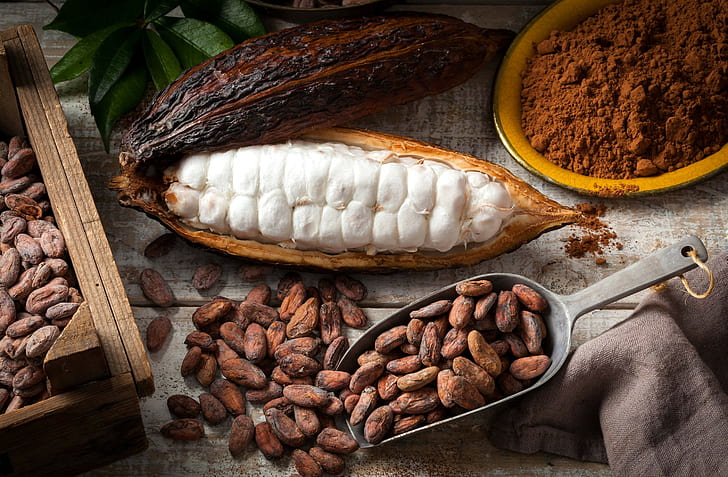
Chocolate is one of the most popular foods in the world. People give it as a gift, get it from their beloved ones, and eat it to get over stress. Yet most chocoholics have never tasted real, raw cacao beans (also known as theobroma cacao, cocoa beans, cocoa pods)!
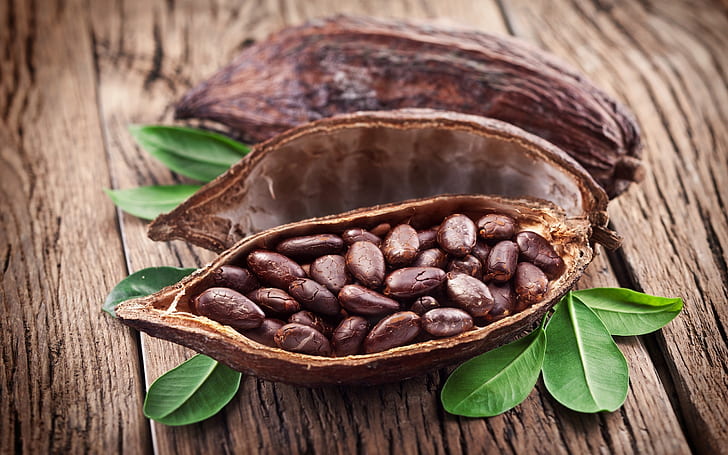
This superfood is one of the most incredible plants on the Earth and it contains more that 300 identifiable chemical substances with positive health effects.
Cacao is the Best Natural Food Source of the Following Nutrients:
Iron: Cacao contains 314% of the RDA of iron per 1 ounce (28 gram) serving. Iron is a critical mineral in nutrition. Iron is part of the oxygen carrying protein called hemoglobin that keeps our blood healthy.
Magnesium: Cacao seems to be the #1 source of magnesium of any food. Magnesium is one of the great alkaline minerals. It helps to support the heart, brain, and digestive system (it fights constipation). Magnesium is also important for building strong bones. This is likely the primary reason women crave chocolate during the monthly cycle. Magnesium balances brain chemistry, builds strong bones, and is associated with more happiness. Magnesium is the most deficient major mineral on the standard diet. Cacao has enough magnesium to help reverse deficiencies of this mineral.
Chromium: Chromium is an important trace mineral that helps balance blood sugar. Nearly 80% of Americans are deficient in this trace mineral. Cacao has enough chromium to help reverse deficiencies in this mineral.
Theobromine: Cacao usually contains about 1% theobromine. Theobromine is an effective anti-bacterial substance and kills streptococci mutans (the primary organism that causes cavities). Theobromine is a chemical relative of caffeine but is not a nervous system stimulant. Theobromine dilates the cardiovascular system making the heart’s job easier. This is one of the major reasons why cacao is an important part of a heart healthy diet.
Antioxidants: Cacao contains the highest concentration of antioxidants of any food in the world. These antioxidants include polyphenols, catechins, and epicatechins. By weight, Cacao has more antioxidants than red wine, blueberries, acai, pomegranates, and goji berries COMBINED.
Manganese: Manganese is an essential trace mineral. Manganese helps assist iron in the oxygenation of the blood and formation of hemoglobin. Interestingly, manganese is also concentrated in tears.
Zinc: Zinc is an essential trace mineral. Zinc plays a critical role in the immune system, liver, pancreas, and skin. Additionally, zinc is involved in thousands of enzymatic reactions throughout the human body.
Copper: Copper is an essential trace mineral. Copper is found naturally in plants with vitamin C. In the human body, copper helps to build healthy blood.
Vitamin C: Cacao must be raw to contain vitamin C. All cooked and processed chocolate has no vitamin C. A one ounce (28 gram) serving of Cacao Beans supplies 21% of the RDA of Vitamin C.
Omega 6 Fatty Acids: Cacao contains essential omega 6 fatty acids. Unlike raw chocolate, all cooked and processed chocolate contains rancid omega 6 fatty acids (trans-fat) that can cause an inflammatory reaction when one eats cooked chocolate.
In commercial chocolate, all these benefits of cacao are lost by roasting, liquifying and melting the cacao with sugar, milk and chemical additives. Therefore chocolate is considered to be unhealthy junk food, causing acne and allergic reactions. But raw cacao preserves all the nutrition and has no alergic reactions at all. It tastes like a dark, bitter chocolate because it is 100% pure.
Order 100% pure, La La Land Organics single origin, ceremonial grade, raw cacao!

Mood enhancing properties of raw cacao:
Phenethylamine (PEA): Phenylethylamine (PEA) is found in abundance in cacao. Because PEA is heat sensitive, much of the PEA in conventional cooked and processed chocolate is missing. It facilitates the release of dopamine, a naturally occurring chemical, into your body and is reputed to be a mood elevator and an anti-depressant. PEA is the chemical that we produce in our bodies when we fall in love. This is likely one of the main reasons why love and chocolate have such a deep connection. PEA also plays a role in increasing focus and alertness.
Anandamide: A neurotransmitter responsible for the prolonged pleasurable sensation of the previous mentioned PEA (known as the “bliss molecule”). Anandamide (The Bliss Chemical) is an endorphin that the human body naturally produces after exercise. Anandamide has only been found in one plant — Cacao. Anandamide is known as “The Bliss Chemical” because it is released while we are feeling great. Cacao contains enzyme inhibitors that decrease our bodies’ ability to breakdown anandamide. This means that, when we eat cacao, natural anandamide and/or cacao anandamide may stick around longer, making us feel good longer.
Tryptophan: A powerful mood-enhancing nutrient, critical for the production of serotonin, our primary neurotransmitter.Tryptophan is heat sensitive and therefore it is “cooked out” in many high protein foods and in conventional processed chocolate.
Serotonin: The primary neurotransmitter in the human body. Serotonin is similar in its chemistry to tryptophan and melatonin. Serotonin helps us build up our “stress defense shield.”
Constituents:
Caffeine, flavonoids, phenylethylalamine, anandamide, magnesium, sulfur, oleic acid, theobromine, tryptophan, Cacao beans and nibs contain more flavonoid antioxidants than most other vegetables and fruits * up to four times as much concentrated antioxidants as green tea. Cacao stimulates the production of serotonin and endorphins, and contains phenylethylalamine and anandamide, two chemicals that elevate the mood and help increase focus.
Parts Used: Beans, either whole or broken into nibs
Typical Preparations: Eaten raw-as is, or roasted, brewed, and powdered into tea. Used abundantly in food and other consumables. Sometimes found in extract form.
Summary: Cacao beans and nibs contain a number of constituents that have been proven beneficial healthwise, but it’s worth noting that many of these constituents are destroyed or lessened by processing. Health practitioners recommend that anyone interested in eating cacao for its health benefits use raw, unprocessed cacao beans and nibs rather than processed chocolate.
Precautions: Anyone with a sensitivity to chocolate should avoid eating cacao beans or nibs. The active polyphenols and other substances in cacao can trigger migraines and cause other allergic reactions in sensitive people.
For educational purposes only. This information has not been evaluated by the Food and Drug Administration.
This information is not intended to diagnose, treat, cure, or prevent any disease.
Sources:
http://www.mountainroseherbs.com/learn/cacao.php
http://www.lifefood.eu/en/strava/raw-cacao-the-real-raw-chocolate.html
 La La Land Organics
Leave a comment